Industries
Industries we serve
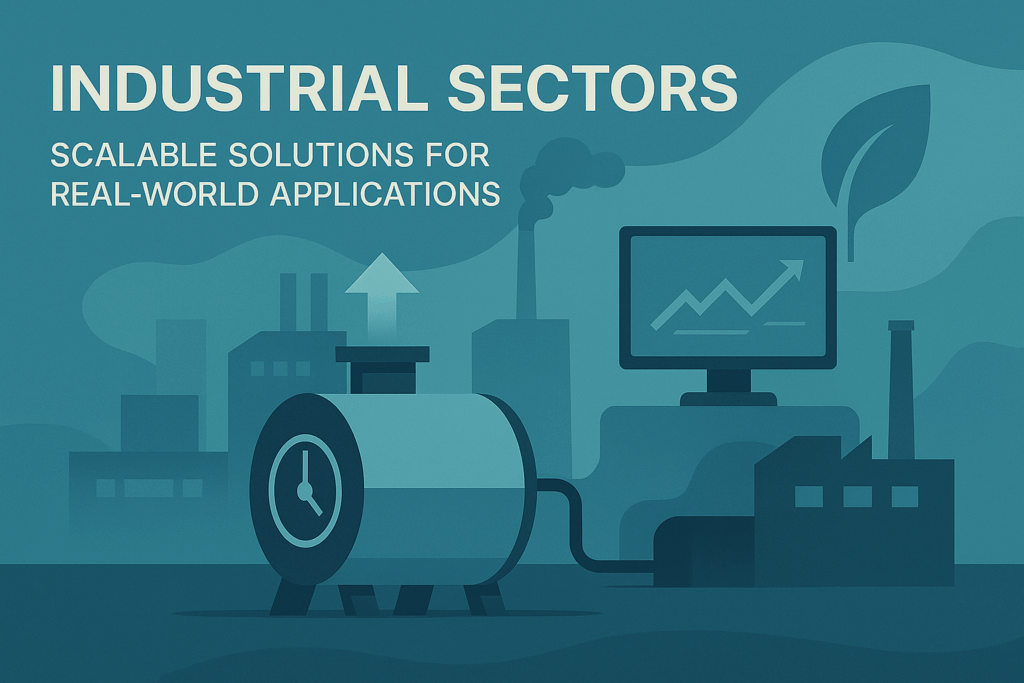
TVI is designed to scale from pilot projects to full industrial operations, offering efficiency, flexibility, and sustainability across a variety of industries.
TVI is currently applied — or being developed — in key strategic sectors where resource optimization and environmental responsibility are a priority.
Industries
Innovating Industries, Empowering Growth
From agriculture to pharmaceuticals, Pherkatd Tech powers industries with scalable, sustainable, and precision-engineered solutions. We bridge cutting-edge technology and real-world needs, driving efficiency, reducing waste, and creating measurable impact at every stage.
Agri Food Tech
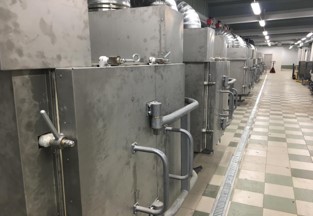
Optimizing drying and dewatering processes for food and agricultural products, ensuring better preservation of nutritional and functional properties, reducing energy use, and minimizing waste.
Wastewater Management
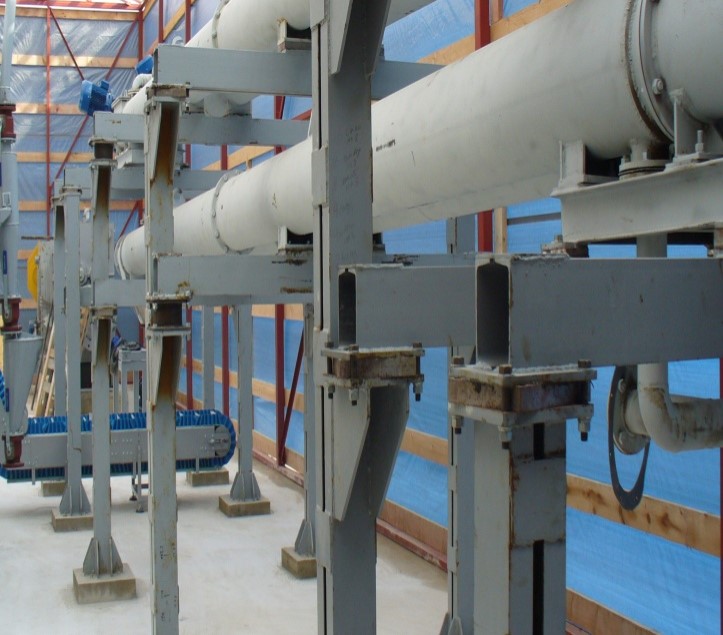
Enhancing water recovery and sludge treatment through efficient dewatering processes that cut energy consumption and improve process control, contributing to smarter water use and environmental compliance.
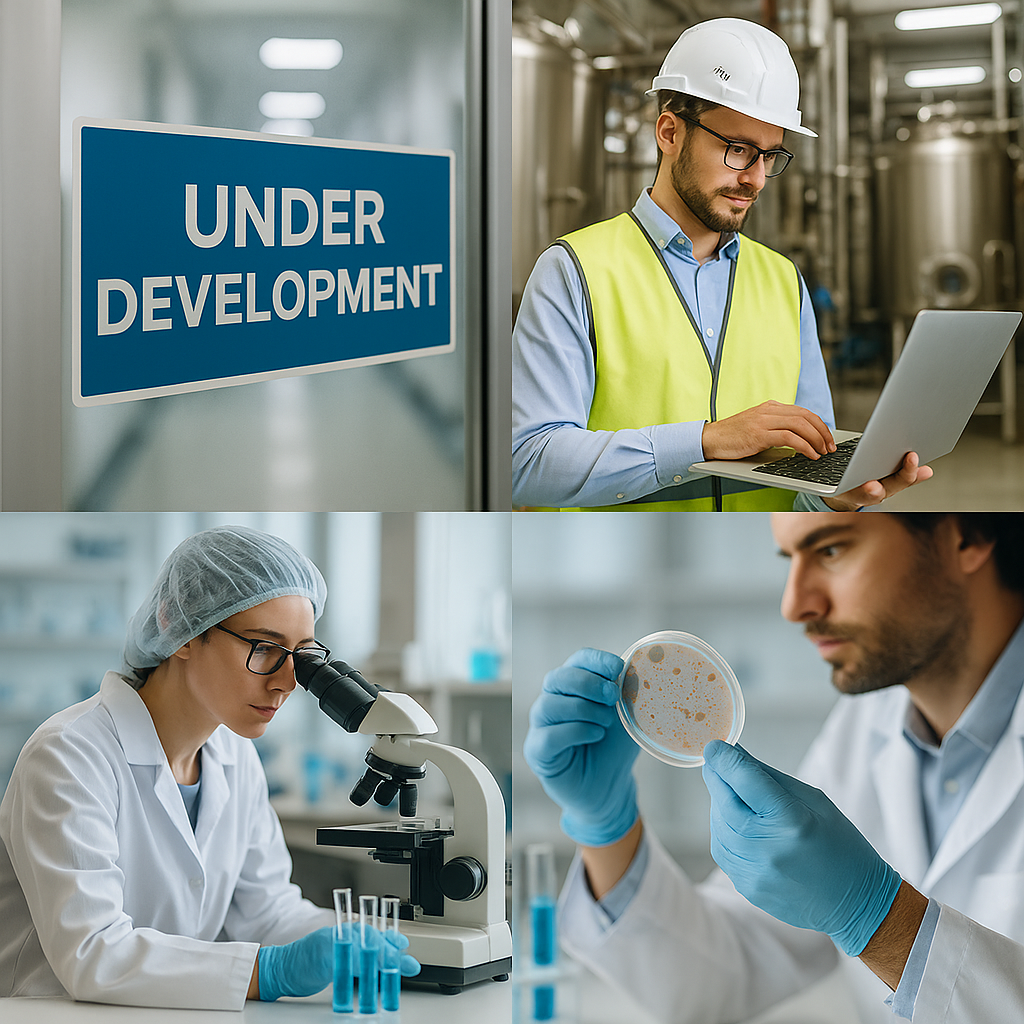
Under development
We are continuously expanding the potential of TVI through research, co-design, and collaboration with industrial partners.
Our pilot projects explore new opportunities where controlled vacuum processes can unlock significant benefits in Pharmaceutical and Biotech.
FAQ
Have Any Questions ?
Here are some of the most common questions we receive.
1. What types of raw materials can be processed with TVI technology?
Our system is designed to handle a wide range of plant-based raw materials, including fruits, vegetables, herbs, and medicinal plants. The technology is adaptable to different product types and processing requirements.
2. Does the process preserve the nutritional properties of the products?
Yes, one of the key advantages of the TVI system is the ability to perform gentle drying at controlled temperatures, which helps preserve organoleptic qualities (taste, color, aroma) and physico-chemical integrity, including sensitive bioactive compounds.
3. How does TVI drying compare to other drying technologies like spray drying or freeze-drying?
TVI offers energy savings of up to 30–50% compared to traditional methods, along with shorter cycle times and higher yield per kilogram of raw material. The modular design also allows for greater flexibility and scalability.
4. What is the typical drying time for the process?
Drying times vary depending on the type of raw material and the desired final moisture content, but are generally in the range of a few hours per cycle, which is significantly faster than many conventional methods.
5. Can be the system fully automated?
Yes, the TVI system features advanced automation with integrated sensors that control and monitor critical process parameters such as humidity, temperature, and product quality — ensuring consistency and efficiency.
6. What is the typical production capacity of the plant?
The system is designed for industrial-scale production and can process several hundred kilograms of fresh raw material per hour, depending on product type and system configuration. The modular chamber setup allows for easy scaling based on production needs.
7. Can the system process different raw materials without major adjustments?
Yes, the modular and flexible design allows for quick changeovers between different raw materials, supporting a variety of products within the same production line.
8. What kind of powders are obtained through this process?
The system produces high-quality deydrated materials with controlled particle size and moisture content, suitable for use in food, nutraceutical, cosmetic, and pharmaceutical applications.
9. Is the extracted water recoverable and reusable?
Yes, the process enables up to 100% recovery of the extracted water, which can be reused within the production cycle (for example, for washing raw materials) or handled according to the client’s specific needs.
10. Do you offer feasibility studies or pilot tests?
Absolutely. We offer customized process simulations, pilot testing, and feasibility assessments to evaluate how TVI technology can be tailored to your specific raw materials and production goals.
11. What type of waste materials can be processed with your technology?
Our solution focuses primarily on the treatment of sewage sludge from wastewater treatment plants. The process is also adaptable for other organic wastes such as poultry manure, cattle manure, and similar biomasses.
12. What kind of final product is obtained from sewage sludge?
The process transforms sewage sludge into granulated organo-mineral fertilizers (GOMF). These are stable, odor-free, pathogen-free products suitable for use in agriculture, offering a full range of nutrients for various crops.
13. What are the main benefits of using this fertilizer compared to traditional products?
GOMF provides a balanced nutrient profile with both organic and mineral components, supports soil health, and has a prolonged-release effect. It also helps reduce soil contamination risks and avoids the accumulation of harmful substances in crops.
14. Does the process require high energy consumption?
No, one of the key strengths of our technology is its energy efficiency, achieved through innovative process design. The system ensures low operational costs while maintaining high drying performance.
15. Can this solution be integrated into existing wastewater treatment plants?
Yes, the modular nature of the system allows for easy integration into existing infrastructures or for the setup of new dedicated production sites, depending on project requirements.
16. How does the technology contribute to sustainability and ESG goals?
Our solution addresses several key ESG aspects:
Supporting food security by enhancing agricultural productivity – Reducing waste volumes and environmental risks – Promoting resource recovery and circular economy – Enabling fertilizer production from waste without the use of fossil fuels.
17. Is it possible to license the technology or collaborate on new projects?
We are open to partnership opportunities, including licensing of the technology, joint ventures, and co-development of new projects. We can provide tailored solutions based on your specific needs and project goals.
18. Can the system be customized for specific production needs?
Yes, all our solutions are tailored to each client’s process requirements, including raw material type, production volume, and product specifications. We work closely with our partners to define the most effective configuration.
19. Do you provide support after installation?
Yes, we offer comprehensive support services, including training, maintenance, remote monitoring, and process optimization. Our goal is to ensure long-term reliability and maximum performance for your system.
20. Is it possible to start with a pilot system before scaling up?
Absolutely. We provide pilot-scale solutions and feasibility studies to validate the process on your specific raw materials before moving to full industrial scale. This approach reduces risk and ensures the best outcome for your project.
21. How long does it take to implement a project from design to operation?
The timeline depends on the complexity of the project, plant size, and customization level. After the initial feasibility assessment, we provide a clear roadmap with realistic timeframes for each phase — from engineering to installation and commissioning.